
A mother's personal journey through grief, guilt, healing, and hope after losing her son to suicide, and the importance of mental health awareness.

The Weight We Carry: A Mother’s Journey After Suicide
September 10, 2026


Baseball is a sport built on failure, and that’s what makes it so uniquely instructive. Even the best hitters fail seven out of ten times. Entire seasons can hinge on a single swing, whether it clears the fence or dies on the warning track. It mirrors the unpredictability of life, where effort doesn’t always guarantee success and progress is rarely linear. And yet, it’s precisely this struggle that makes victory so meaningful. As a lifelong Seattle Mariners fan, I’ve learned that heartbreak can cultivate emotional resilience and teach us invaluable lessons about grit.
When the Mariners lost Game 1 of the ALDS, with two more games to come facing the best pitcher in Major League Baseball, Tarik Skubal, the odds of winning the series dropped to 27%. Yet, baseball and life remain unpredictable. At T-Mobile Park before Game 2, a message appeared noting that the Mariners had also lost Game 1 in the ALDS in 1995 and 2001, only to continue and win the series. Persisting despite the odds, and maintaining hope, electrified the crowd that day.
Psychologist Angela Duckworth defines grit as a blend of passion and perseverance toward long-term goals, even when progress is slow or setbacks pile up. Grit isn’t blind optimism or toxic positivity; it’s showing up repeatedly, with integrity, even in the face of disappointment. It’s sustained engagement in something meaningful, even when outcomes are uncertain. Whether building a career, healing from trauma, or nurturing relationships, grit is about investing emotionally despite the likelihood of setbacks. Being a Mariners fan, or pursuing any dream with a delayed payoff, reminds us that grit is not just a trait; it’s a practice.
Even the best baseball players fail more than they succeed, forcing us to confront imperfection head-on. One of grit’s most important lessons is that failure isn’t the opposite of success, it’s part of it. Psychologists call this cognitive reframing: the ability to reinterpret challenges. Setbacks aren’t proof of incapability; they are information guiding improvement. When we experience disappointment without letting it define us, we grow stronger.
If grit keeps us going, hope gives that effort direction. Psychologist Charles Snyder defines hope as having two components: agency: the belief that we can influence our future, and pathways: the ability to identify or create routes toward our goals despite obstacles. For Mariners fans, hope is what keeps us invested through 15 innings of tension. When paired with grit, hope turns endurance into purpose, fostering a resilient mindset that embraces both reality and possibility.
Sustaining hope and grit isn’t easy, especially when outcomes disappoint. Mindfulness teaches us to observe discomfort rather than resist it, recognizing frustration, sadness, or anger as natural responses rather than personal failures. This mirrors distress tolerance—the ability to remain present in difficult emotional states without numbing or escaping. Over time, mindfulness strengthens emotional flexibility, helping us persist in goals, relationships, and healing journeys when life doesn’t follow plan.
Striving in the face of long odds is profoundly rewarding. The moments of greatest pain and disappointment allow us to deepen our capacity for grit, hope, and mindfulness. The waiting builds perspective, humility, and gratitude. Whether it’s a long-awaited win on the field or a hard-earned personal milestone, success born from struggle is inherently sweeter. It reminds us of that resilience; the combination of grit, hope, and mindfulness is essential in achieving meaningful goals. Whatever the remainder of this postseason holds for the Mariners, these principles remain tools we can carry into all areas of life.


September 10, 2026
A mother's personal journey through grief, guilt, healing, and hope after losing her son to suicide, and the importance of mental health awareness.

August 31, 2026
Explore why addiction should be understood as a treatable condition, not an identity, and how connection, purpose, and community support recovery.
July 14, 2026
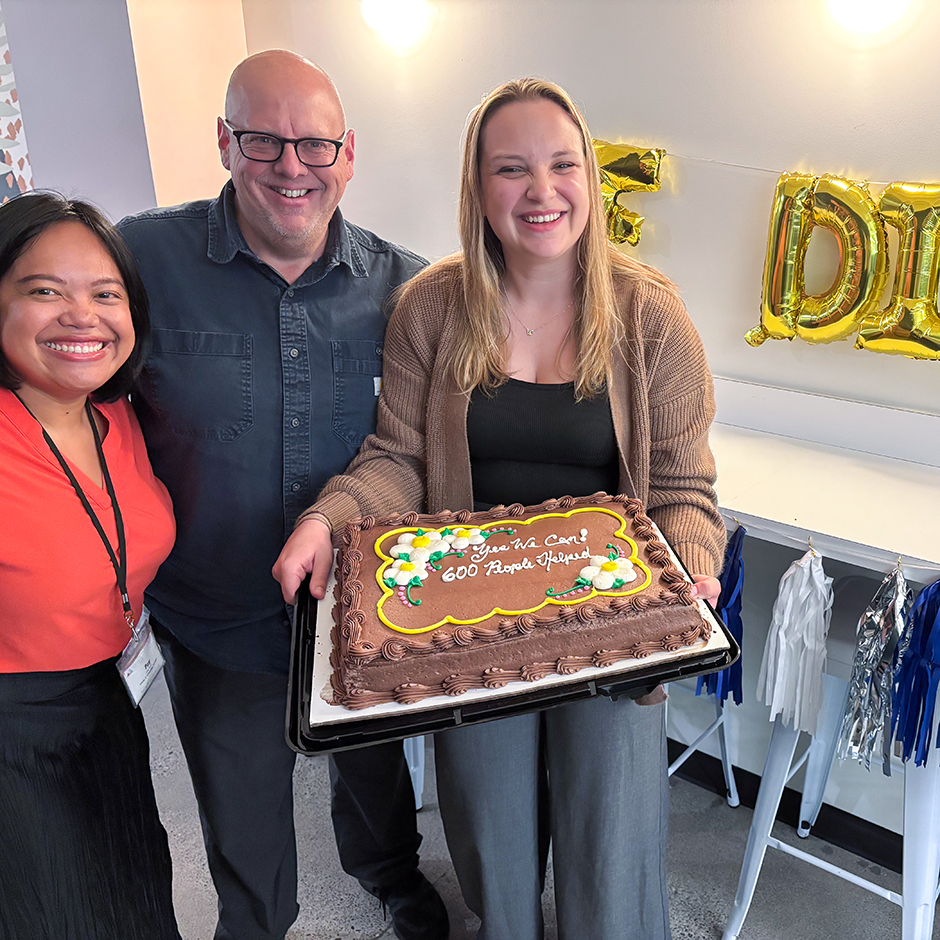
Celebrating 600 intakes in one day and the people behind them. Discover how strong intake operations help connect clients with the right care faster.

June 25, 2026
Explore why in-person therapy still matters in modern mental health care, from deeper connection and nonverbal insight to the unique benefits of a dedicated clinical space—while balancing the role of telehealth.

June 17, 2026
Mindful Therapy Group’s 2026 Mental Health Awareness Month survey reveals rising client distress, the growing impact of world events in therapy sessions, and the emotional strain clinicians themselves are facing. Insights from over 200 providers highlight increasing anxiety, overwhelm, and the urgent need to support both patients and mental health professionals.

June 3, 2026
A look at why LGBTQ individuals are increasingly relocating to Seattle and how the growing community is shaping the need for expanded mental health support.

May 27, 2026
A clear look at the Drop Off Problem in mental health care and why many clients never reach their first appointment. Learn what providers and referral partners can do to reduce barriers, improve follow through, and close the mental health care gap.

May 14, 2026
This article explores the urgent men’s mental health crisis during Mental Health Awareness Month, highlighting the stigma that prevents men from expressing emotions, the societal norms that fuel emotional isolation, and the community and individual actions needed to reduce loneliness, encourage vulnerability, and support boys and men in developing healthy emotional expression.