
A mother's personal journey through grief, guilt, healing, and hope after losing her son to suicide, and the importance of mental health awareness.

The Weight We Carry: A Mother’s Journey After Suicide
September 10, 2026
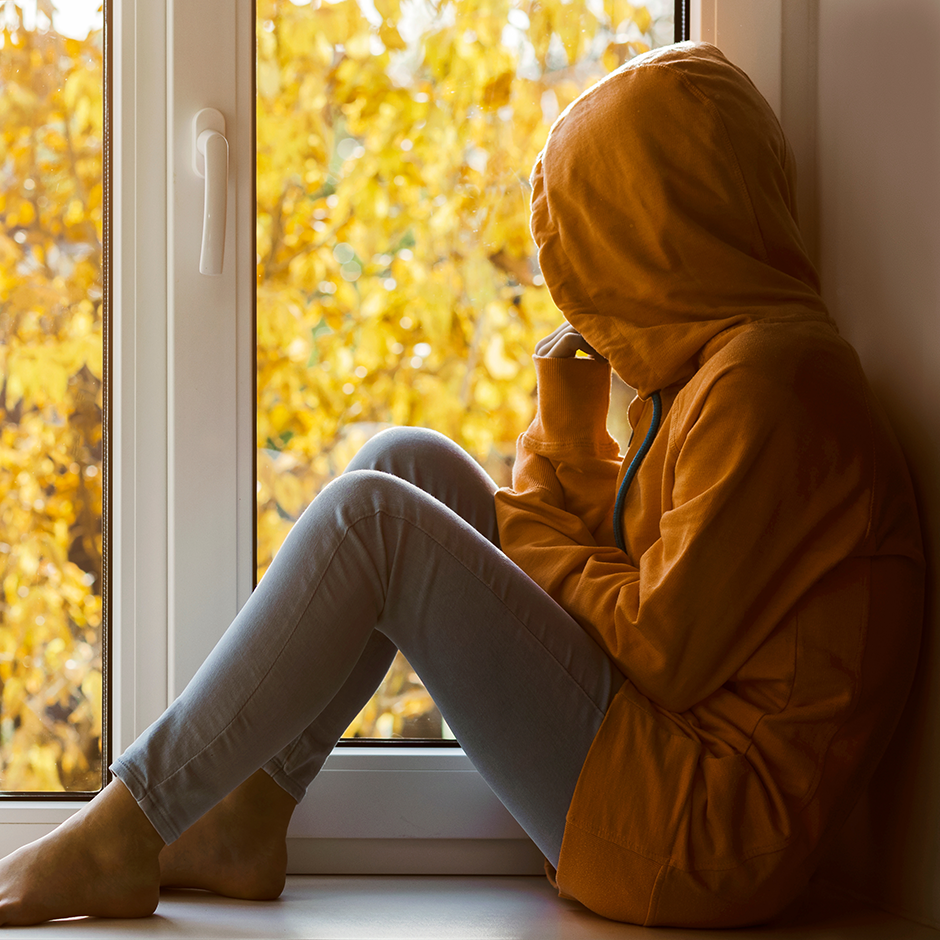

As we bid summer goodbye, many people are faced with the task of managing seasonal depression that comes with the dark winter months. Those of us in the Pacific Northwest, where the nights become especially long, are intimately familiar with this. However, the loss of daylight impacts people all over the country.
Winter depression, formally known as Seasonal Affective Disorder (SAD), is characterized by depression symptoms that have a clear onset and decline with the change in seasons. This particular form of depression has a much higher diagnosis rate in northern states as opposed to southern states, where the winters are much sunnier. Common symptoms include:
When it comes to this particular type of depression, a multi-pronged approach is usually most effective. It can take time to find the right combination, but here are a few key factors that can make the winter months easier:
During the winter it is tempting to resort to carbohydrate-heavy foods or treats filled with sugar. However, these can make seasonal depression worse. Keeping a regulated diet with ample veggies, lean protein, and a moderate amount of whole carbohydrates is best. Limit things like sugar and alcohol, which can worsen the symptoms of SAD.
There are also a few supplements that can be helpful:
Since SAD is associated with a reduction of sunlight, there are a few kinds of therapeutic lamps that can be used to compensate. These are typically full spectrum lamps, meaning they project the full visible light spectrum, rather than just a portion of it like most lightbulbs.
The increasing darkness can lead us to be less active and social, all of which can make seasonal depression worse. Make time to get out of the house and enjoy the natural light outdoors. Since declining motivation is a major symptom of seasonal depression, a reliable routine can also give you the structure you need to keep active and engaged.
There are plenty of things you can do for yourself to manage symptoms of Seasonal Affective Disorder, but no one needs to be alone in that process. Mental health professionals can be a huge help in treating SAD.


September 10, 2026
A mother's personal journey through grief, guilt, healing, and hope after losing her son to suicide, and the importance of mental health awareness.

August 31, 2026
Explore why addiction should be understood as a treatable condition, not an identity, and how connection, purpose, and community support recovery.

July 14, 2026
Celebrating 600 intakes in one day and the people behind them. Discover how strong intake operations help connect clients with the right care faster.

June 25, 2026
Explore why in-person therapy still matters in modern mental health care, from deeper connection and nonverbal insight to the unique benefits of a dedicated clinical space—while balancing the role of telehealth.

June 17, 2026
Mindful Therapy Group’s 2026 Mental Health Awareness Month survey reveals rising client distress, the growing impact of world events in therapy sessions, and the emotional strain clinicians themselves are facing. Insights from over 200 providers highlight increasing anxiety, overwhelm, and the urgent need to support both patients and mental health professionals.

June 3, 2026
A look at why LGBTQ individuals are increasingly relocating to Seattle and how the growing community is shaping the need for expanded mental health support.

May 27, 2026
A clear look at the Drop Off Problem in mental health care and why many clients never reach their first appointment. Learn what providers and referral partners can do to reduce barriers, improve follow through, and close the mental health care gap.

May 14, 2026
This article explores the urgent men’s mental health crisis during Mental Health Awareness Month, highlighting the stigma that prevents men from expressing emotions, the societal norms that fuel emotional isolation, and the community and individual actions needed to reduce loneliness, encourage vulnerability, and support boys and men in developing healthy emotional expression.