
Celebrating 600 intakes in one day and the people behind them. Discover how strong intake operations help connect clients with the right care faster.
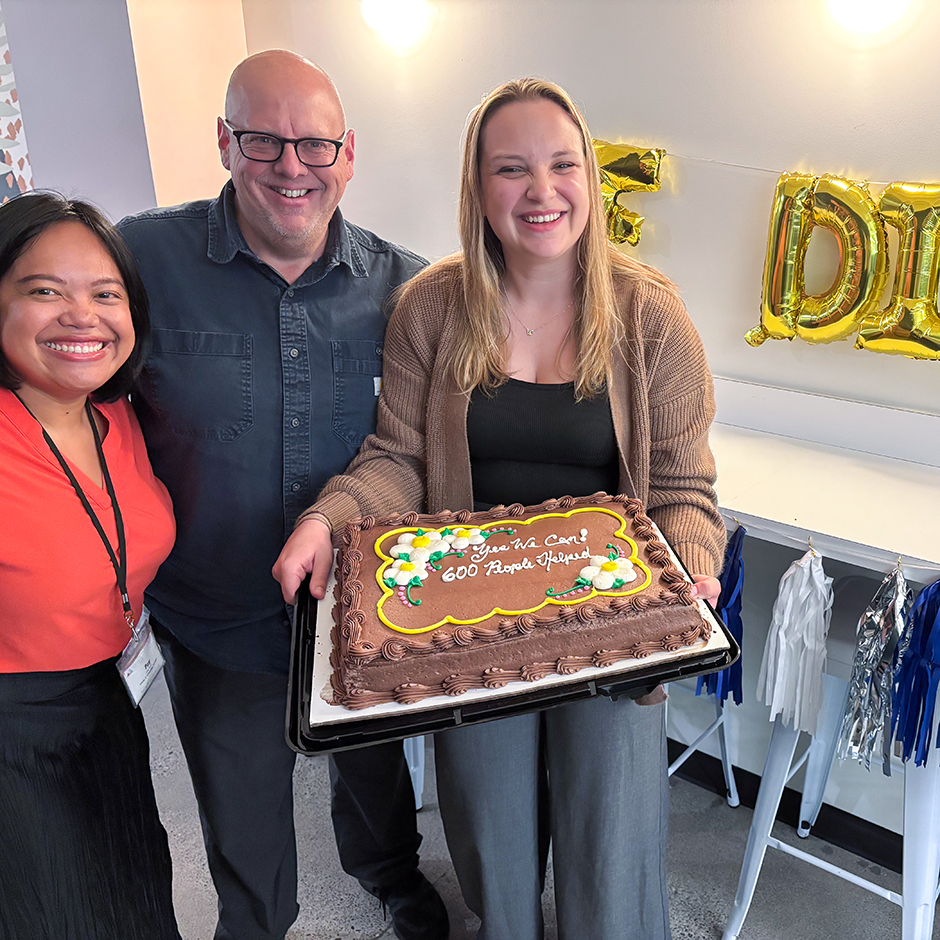
What 600 Intakes In One Day Reveal About Access to Care
July 14, 2026


Pregnancy and parenthood are among the most life-altering transitions a person can experience. For neurodivergent individuals, this journey often includes additional layers of complexity that are frequently misunderstood or overlooked. The intersection of neurodivergence and perinatal mental health deserves more awareness, validation, and compassionate care.
Neurodivergent people navigating the perinatal period often encounter increased vulnerability due to overlapping sensory, emotional, and social demands. These demands can intensify traits such as sensory sensitivity, executive dysfunction, and difficulties with social reciprocity, which are frequently misunderstood or pathologized in both medical and mental health settings. The unpredictability of bodily changes, sleep disruptions, and shifting hormonal landscapes can further dysregulate nervous systems that already work overtime to maintain balance. Social expectations around how a pregnant or postpartum person “should” feel or behave can compound internal pressure, especially for those who already mask or camouflage their neurodivergent traits. What may appear as heightened anxiety, irritability, or detachment from others is often a deeply embodied response to an environment that feels overwhelming or unsafe. Without proper recognition and support, this increased vulnerability can lead to feelings of isolation, shame, and a sense of failure during a time when compassion and understanding are most needed.
Perinatal care systems are largely designed with neurotypical norms in mind. From prenatal appointments to postpartum check-ins, many neurodivergent clients feel overstimulated by bright lights and medical jargon, misunderstood by providers, or dismissed when voicing concerns about mood shifts or anxiety. Sensory sensitivities can amplify the challenges of pregnancy and early parenthood. Tasks such as breastfeeding, physical recovery, and coping with sleep deprivation can become especially overwhelming for those with heightened sensory processing. Rigid appointment structures, unfamiliar environments, and rushed interactions can greatly increase anxiety and inhibit open communication. Additionally, many providers lack training in recognizing how neurodivergence might present during the perinatal period resulting in missed opportunities for connection and care. When systems are not designed to accommodate diverse ways of processing information, regulating emotion, or expressing need, neurodivergent clients are often left feeling unseen and unsupported at a time when they are most in need of attuned, individualized care.
For clients with ADHD, the postpartum period may be particularly destabilizing. Executive dysfunction and hormonal fluctuations can make it harder to manage routines, maintain emotional regulation, and meet daily demands. Tasks like remembering feeding schedules, keeping up with household responsibilities, or responding to an infant’s unpredictable needs can feel overwhelming and chaotic. The lack of consistent sleep and structure may exacerbate symptoms, leading to increased emotional dysregulation, forgetfulness, or impulsivity, further compounding feelings of guilt or inadequacy.
Autistic parents may find the unpredictability of newborn care difficult to navigate, leading to fatigue, meltdowns, or burnout. Sensory overwhelm from constant touch, crying, or disrupted routines can be especially taxing, and transitions like leaving the house or adapting to a new daily rhythm may require more preparation and recovery time. Social expectations around parenting, including unspoken norms in parent groups or pressure to engage in certain developmental activities, can also feel confusing or alienating. Without proper understanding and support, these experiences can erode confidence and contribute to emotional distress, even when the parent is deeply bonded with and devoted to their child.
Many neurodivergent women, femmes, and nonbinary individuals are diagnosed later in life, often after becoming parents. The pressure to meet neurotypical standards of parenting can intensify feelings of inadequacy, anxiety, or shame. Symptoms of postpartum depression or anxiety may be misattributed to pre-existing neurodivergent traits, delaying access to appropriate and timely care. Additionally, clients often mask their distress and feel unsafe in healthcare settings, fearing they will be disbelieved or labeled as unstable. The stigma surrounding postpartum mental health, combined with misconceptions about neurodivergence, places many new parents in a double bind.
Therapeutic support at the intersection of neurodivergence and perinatal mental health should be both neurodivergent-affirming and perinatally informed. This means creating a safe, validating space where clients can unmask, explore their sensory and emotional needs, process evolving identities, and receive compassionate support. It also involves acknowledging the grief that may surface. Grief that is often tied to identity changes, an unexpected parenting journey, or a lifelong sense of not being fully understood. Effective therapy honors the unique strengths neurodivergent parents bring to their roles, including deep empathy, creativity, strong value systems, and presence. These qualities are not just recognized but used as core tools in the healing process. Beyond addressing overstimulation, intrusive thoughts, mood shifts, or executive dysfunction, therapy affirms the resilience and insight clients have built while navigating a world not designed for them.
By recognizing and validating both neurodivergent identity and the full range of perinatal mental health experiences, we can move toward a model of care that is inclusive, affirming, and truly transformative. The goal is not to fix people, but to support them in becoming more fully themselves as they move through the constantly evolving landscape of parenthood.
July 14, 2026
Celebrating 600 intakes in one day and the people behind them. Discover how strong intake operations help connect clients with the right care faster.

June 25, 2026
Explore why in-person therapy still matters in modern mental health care, from deeper connection and nonverbal insight to the unique benefits of a dedicated clinical space—while balancing the role of telehealth.

June 17, 2026
Mindful Therapy Group’s 2026 Mental Health Awareness Month survey reveals rising client distress, the growing impact of world events in therapy sessions, and the emotional strain clinicians themselves are facing. Insights from over 200 providers highlight increasing anxiety, overwhelm, and the urgent need to support both patients and mental health professionals.

June 3, 2026
A look at why LGBTQ individuals are increasingly relocating to Seattle and how the growing community is shaping the need for expanded mental health support.

May 27, 2026
A clear look at the Drop Off Problem in mental health care and why many clients never reach their first appointment. Learn what providers and referral partners can do to reduce barriers, improve follow through, and close the mental health care gap.

May 14, 2026
This article explores the urgent men’s mental health crisis during Mental Health Awareness Month, highlighting the stigma that prevents men from expressing emotions, the societal norms that fuel emotional isolation, and the community and individual actions needed to reduce loneliness, encourage vulnerability, and support boys and men in developing healthy emotional expression.

May 1, 2026
Discover why Mental Health Awareness Month must go beyond awareness and inspire real organizational change. This article explores how leaders can shift from reactive burnout support to proactive workplace design that prioritizes psychological safety, equips managers, embeds wellbeing into daily workflows, and measures what truly matters for employee mental health.

April 14, 2026
If starting therapy feels confusing or intimidating, you’re not alone. Explore why the search can feel overwhelming and how compassionate guidance can help you take the next step.