
A mother's personal journey through grief, guilt, healing, and hope after losing her son to suicide, and the importance of mental health awareness.

The Weight We Carry: A Mother’s Journey After Suicide
September 10, 2026

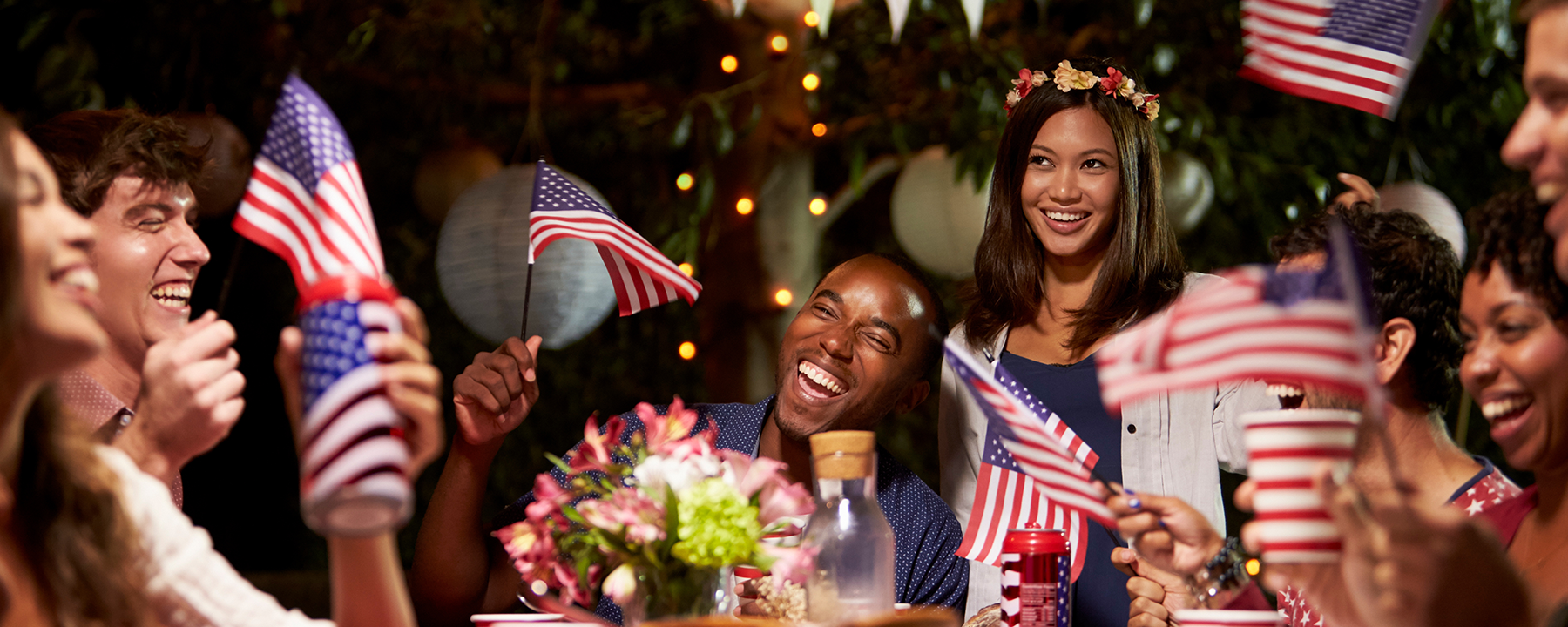
The 4th of July can be a joyful time of connection, reflection, and celebration—but for many, it’s also an emotionally complex day. Social expectations around drinking, sensory overload (from fireworks or crowds), and the pressure to appear carefree can present mental health challenges for individuals navigating anxiety, depression, trauma histories, or substance use concerns.
Whether you’re in recovery, curious about cutting back, or simply choosing to go alcohol-free for personal well-being, consider these factors for having a clear-headed, intentional, and meaningful holiday.
While alcohol is widely viewed as a socially acceptable way to relax or enhance enjoyment, it has significant implications for mental health, even in moderate amounts. Alcohol disrupts the brain’s neurochemical balance, often leading to increased anxiety, irritability, or low mood within hours or days following use. Alcohol impairs overall sleep quality, which can have a compounding negative effect on emotional resilience and cognitive functioning. Drinking can lower impulse control, making it more difficult to maintain boundaries, stay present, or respond mindfully, especially in triggering or high-stimulation environments. For individuals managing social anxiety or trauma-related stress, alcohol may offer temporary relief, but often leads to shame, over-analysis, or emotional numbing afterward.
These effects make the case for why some people choose to abstain or reduce their alcohol intake—not from a place of restriction, but from a desire for regulation, safety, and clarity. Choosing not to drink—especially during a holiday where drinking is the norm—requires self-awareness, boundary-setting, and a strong internal sense of values.
The 4th of July can be a chance to experience the holiday in a new, more mindful way—where your decisions reflect your values and wellness, not external expectations. At its core, Independence Day is a celebration of freedom. That freedom can also be internal: the freedom to choose what aligns with your mental health, your energy, and your future self. Saying no to alcohol—whether for a day, a season, or a lifetime—can be a choice rooted in clarity, groundedness, and self-respect.
September 10, 2026
A mother's personal journey through grief, guilt, healing, and hope after losing her son to suicide, and the importance of mental health awareness.
August 31, 2026
Explore why addiction should be understood as a treatable condition, not an identity, and how connection, purpose, and community support recovery.

July 14, 2026
Celebrating 600 intakes in one day and the people behind them. Discover how strong intake operations help connect clients with the right care faster.

June 25, 2026
Explore why in-person therapy still matters in modern mental health care, from deeper connection and nonverbal insight to the unique benefits of a dedicated clinical space—while balancing the role of telehealth.

June 17, 2026
Mindful Therapy Group’s 2026 Mental Health Awareness Month survey reveals rising client distress, the growing impact of world events in therapy sessions, and the emotional strain clinicians themselves are facing. Insights from over 200 providers highlight increasing anxiety, overwhelm, and the urgent need to support both patients and mental health professionals.

June 3, 2026
A look at why LGBTQ individuals are increasingly relocating to Seattle and how the growing community is shaping the need for expanded mental health support.

May 27, 2026
A clear look at the Drop Off Problem in mental health care and why many clients never reach their first appointment. Learn what providers and referral partners can do to reduce barriers, improve follow through, and close the mental health care gap.

May 14, 2026
This article explores the urgent men’s mental health crisis during Mental Health Awareness Month, highlighting the stigma that prevents men from expressing emotions, the societal norms that fuel emotional isolation, and the community and individual actions needed to reduce loneliness, encourage vulnerability, and support boys and men in developing healthy emotional expression.