
A mother's personal journey through grief, guilt, healing, and hope after losing her son to suicide, and the importance of mental health awareness.

The Weight We Carry: A Mother’s Journey After Suicide
September 10, 2026


Growing up in the 70s, I often felt judged for my poor penmanship. Little did I know, I had dysgraphia, a learning difference affecting fine motor skills. Despite my struggles, I faced constant criticism from teachers, which only added to my frustration and shame.
Today, children with learning differences have access to a wealth of resources that were unavailable in my time. Occupational therapists, educational specialists, and executive functioning coaches are now readily available to support these kids. These professionals meet children where they are and help them thrive despite their challenges.
One of the most crucial aspects of supporting children with learning differences is removing the stigma and shame associated with these challenges. Reflecting on my own experiences, I realize that the shame I felt as a child lingered into adulthood, affecting my self-esteem and confidence. It’s essential to provide the necessary support to help children understand that their learning differences do not define their worth.
I am passionate about advocating for individuals with learning differences. It’s vital to educate family members, friends, and educators on how to support these individuals effectively. Learning differences are just that—differences. Many of the world’s most brilliant minds have learning differences, and they process information uniquely, leading to innovative ideas and solutions.
No one should feel ashamed of their learning differences. By embracing and supporting these differences, we can unlock the potential of countless individuals.
For a deeper dive into this topic, watch the video where I speak about learning differences and the support available.
September 10, 2026
A mother's personal journey through grief, guilt, healing, and hope after losing her son to suicide, and the importance of mental health awareness.

August 31, 2026
Explore why addiction should be understood as a treatable condition, not an identity, and how connection, purpose, and community support recovery.
July 14, 2026
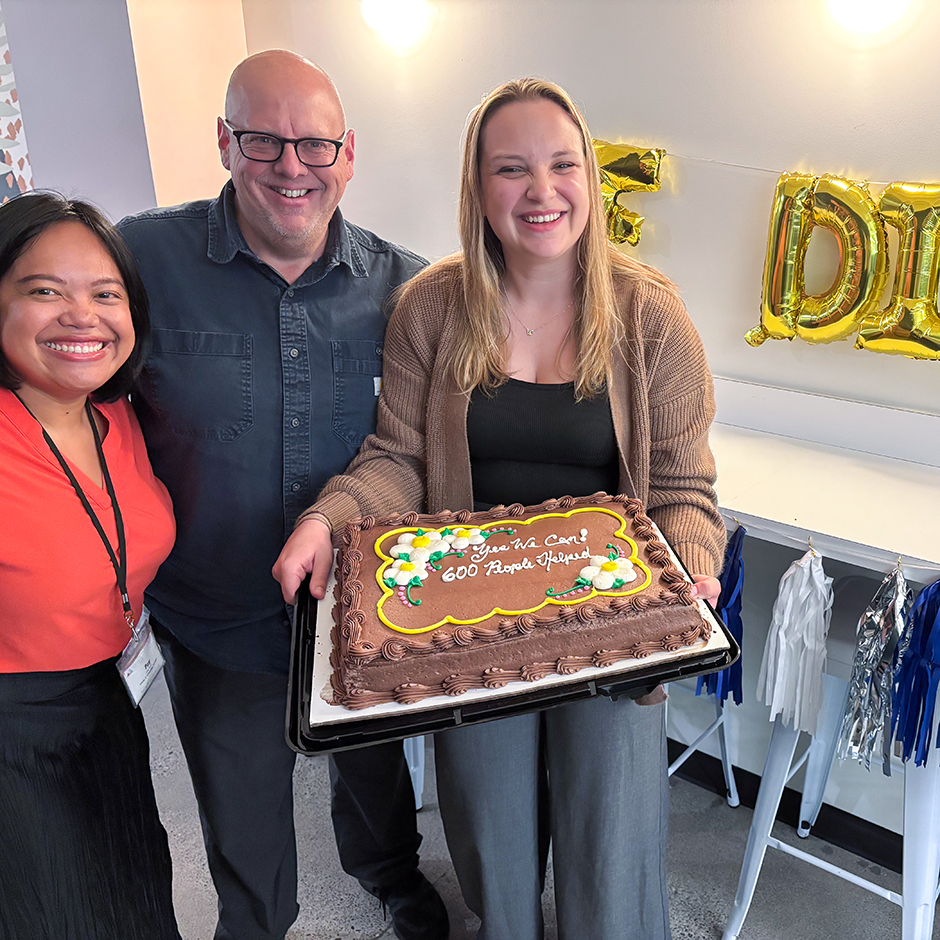
Celebrating 600 intakes in one day and the people behind them. Discover how strong intake operations help connect clients with the right care faster.

June 25, 2026
Explore why in-person therapy still matters in modern mental health care, from deeper connection and nonverbal insight to the unique benefits of a dedicated clinical space—while balancing the role of telehealth.

June 17, 2026
Mindful Therapy Group’s 2026 Mental Health Awareness Month survey reveals rising client distress, the growing impact of world events in therapy sessions, and the emotional strain clinicians themselves are facing. Insights from over 200 providers highlight increasing anxiety, overwhelm, and the urgent need to support both patients and mental health professionals.

June 3, 2026
A look at why LGBTQ individuals are increasingly relocating to Seattle and how the growing community is shaping the need for expanded mental health support.

May 27, 2026
A clear look at the Drop Off Problem in mental health care and why many clients never reach their first appointment. Learn what providers and referral partners can do to reduce barriers, improve follow through, and close the mental health care gap.

May 14, 2026
This article explores the urgent men’s mental health crisis during Mental Health Awareness Month, highlighting the stigma that prevents men from expressing emotions, the societal norms that fuel emotional isolation, and the community and individual actions needed to reduce loneliness, encourage vulnerability, and support boys and men in developing healthy emotional expression.